Project Overview
Many students in business analytics struggle not only with course content, but with math anxiety, low confidence, and weak early performance. This project examined whether structured review and second-attempt opportunities could improve outcomes, especially for students who started behind.
- **Problem:** Students in business analytics often struggled with math anxiety and weak early performance.
- **Approach:** Analyzed score patterns, retake behavior, and review-quiz outcomes.
- **Outcome:** Second attempts and structured review were most valuable for lower-performing students.
Why this mattered
Math anxiety can quietly shape performance long before final grades are assigned. Students who begin with weak first-attempt scores often lose confidence quickly, and traditional grading structures can reinforce that decline rather than interrupt it.
This project focused on intervention design, not failure tracking. Instead of asking who performed poorly, the analysis asked what course design choices actually changed outcomes and where support produced the strongest return.
My role
- Analyzed student performance and review-quiz data
- Evaluated score changes across first and second attempts
- Interpreted findings and translated them into practical recommendations
Key findings
- Nearly half of students who took a second attempt improved
- Score distributions shifted upward after retakes
- Lower-performing students benefited the most
- Review quiz results revealed uneven early readiness
- Lower-performing students were more likely to use second attempts
Evidence and analysis
Nearly half of second-attempt students improved their scores
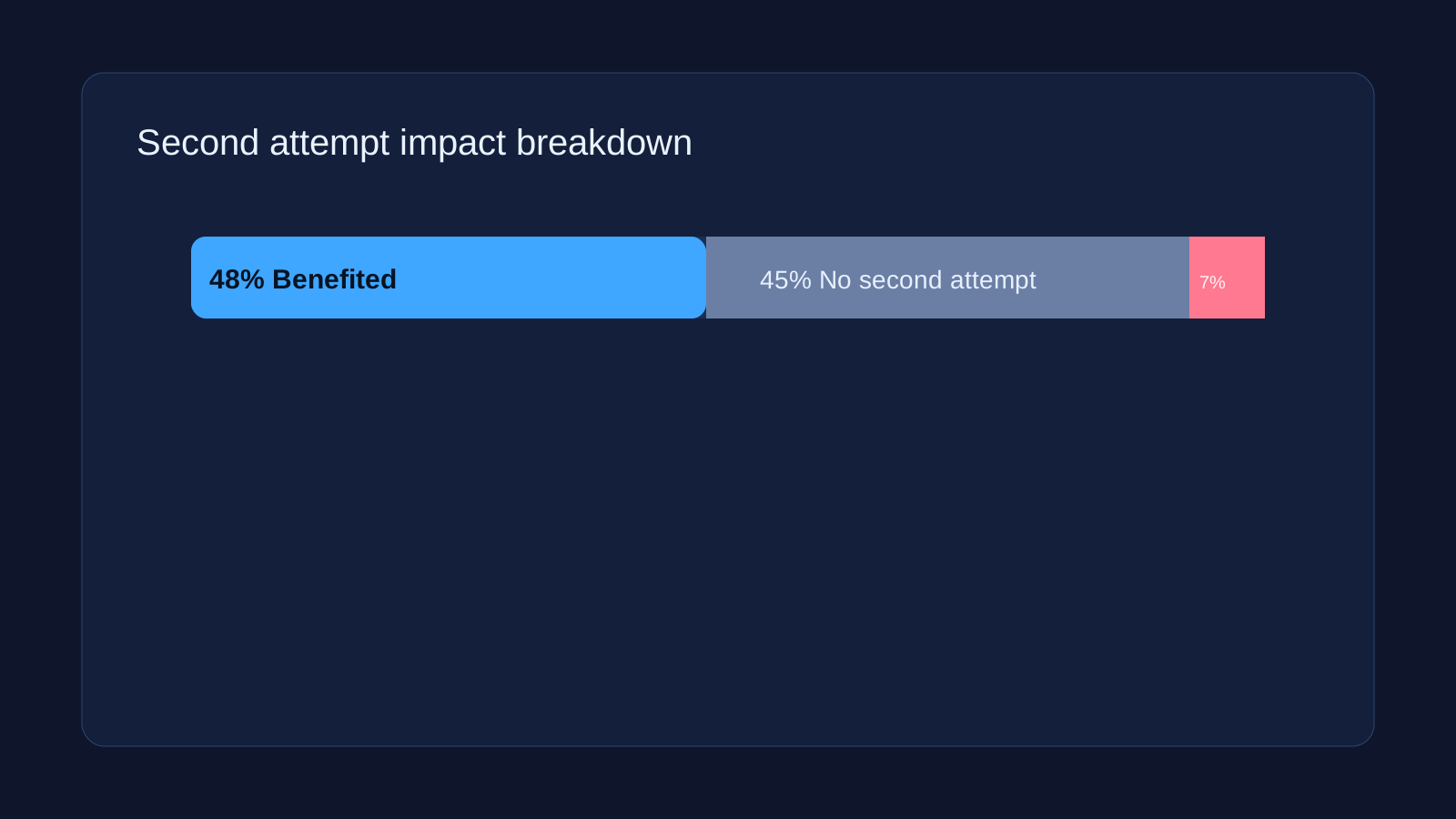
48% of students who took a second attempt improved their score. 45% did not take a second attempt, and 7% took one without measurable benefit. The key takeaway is that second attempts produced meaningful gains for a large share of students.
**So what:** Retake opportunities can act as a targeted performance lever, not just a grading policy.
Score distributions moved upward after second attempts
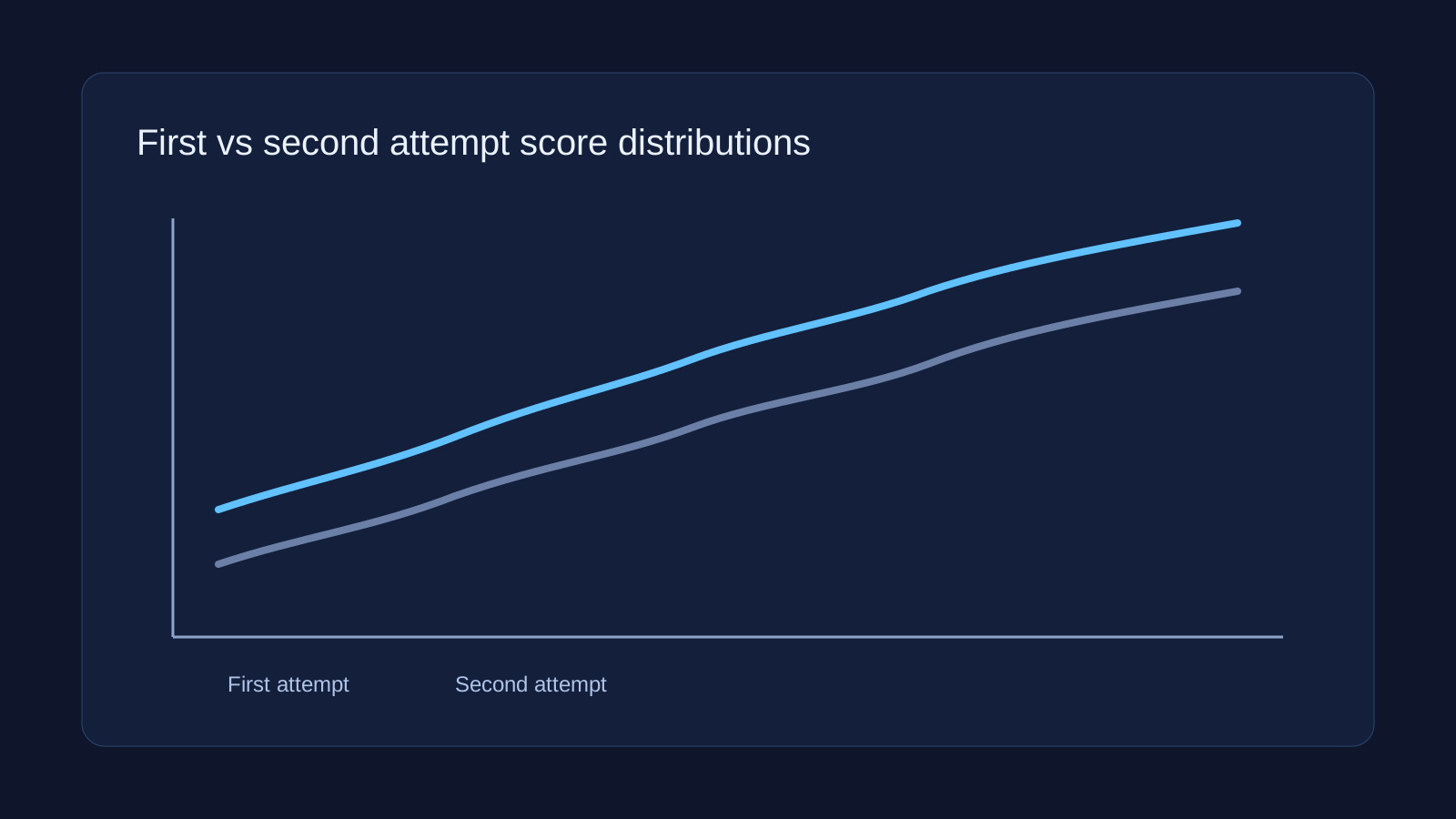
Across midterms and the final, second-attempt score distributions shifted upward. The improvement pattern appears across multiple exams rather than a single outlier event, suggesting broad intervention impact.
**So what:** This was a system-level signal, not a one-off improvement.
Lower-performing students saw the strongest gains from retakes
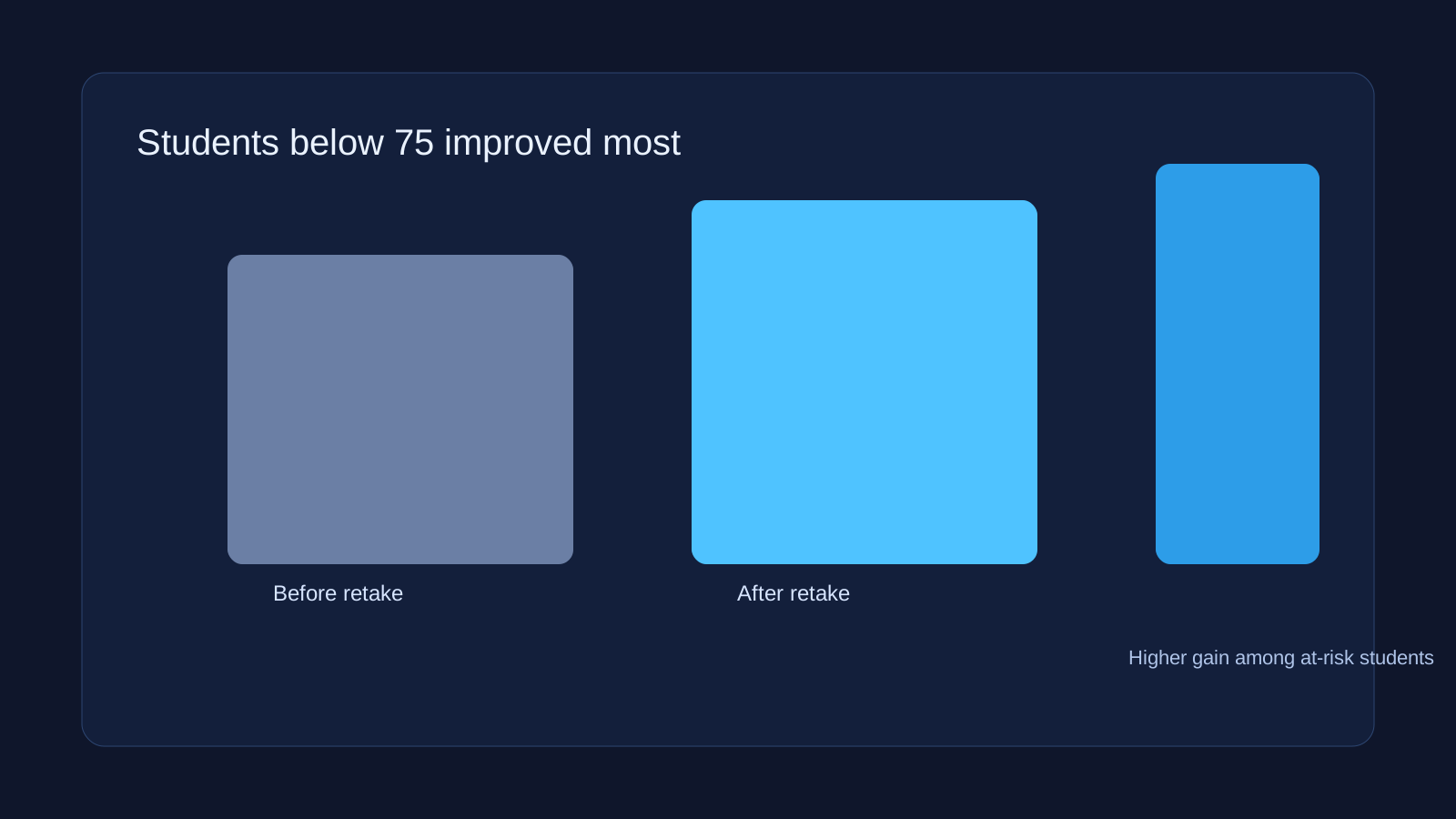
When isolating students below 75 on their first attempt, improvement became more pronounced. The intervention delivered its strongest effects among students most at risk of continued underperformance.
**So what:** The design helped close early performance gaps instead of widening them.
Early review results revealed weak preparation before major exams
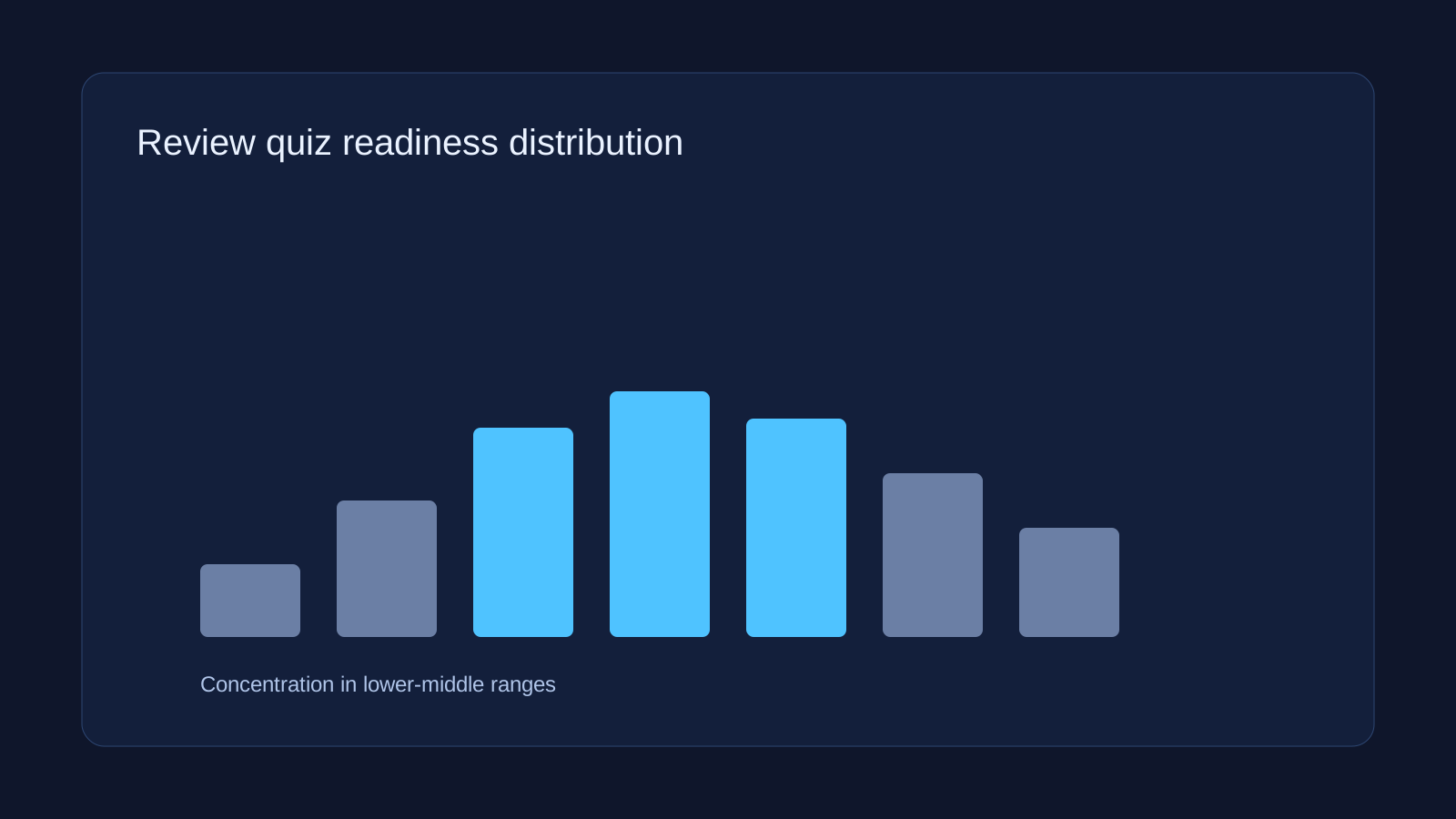
Review-quiz results were concentrated in lower-middle ranges, showing uneven readiness before major exams. This confirmed that students were not entering assessments on equal footing.
**So what:** Early review support was necessary, not optional.
Lower-performing students were more likely to use second attempts
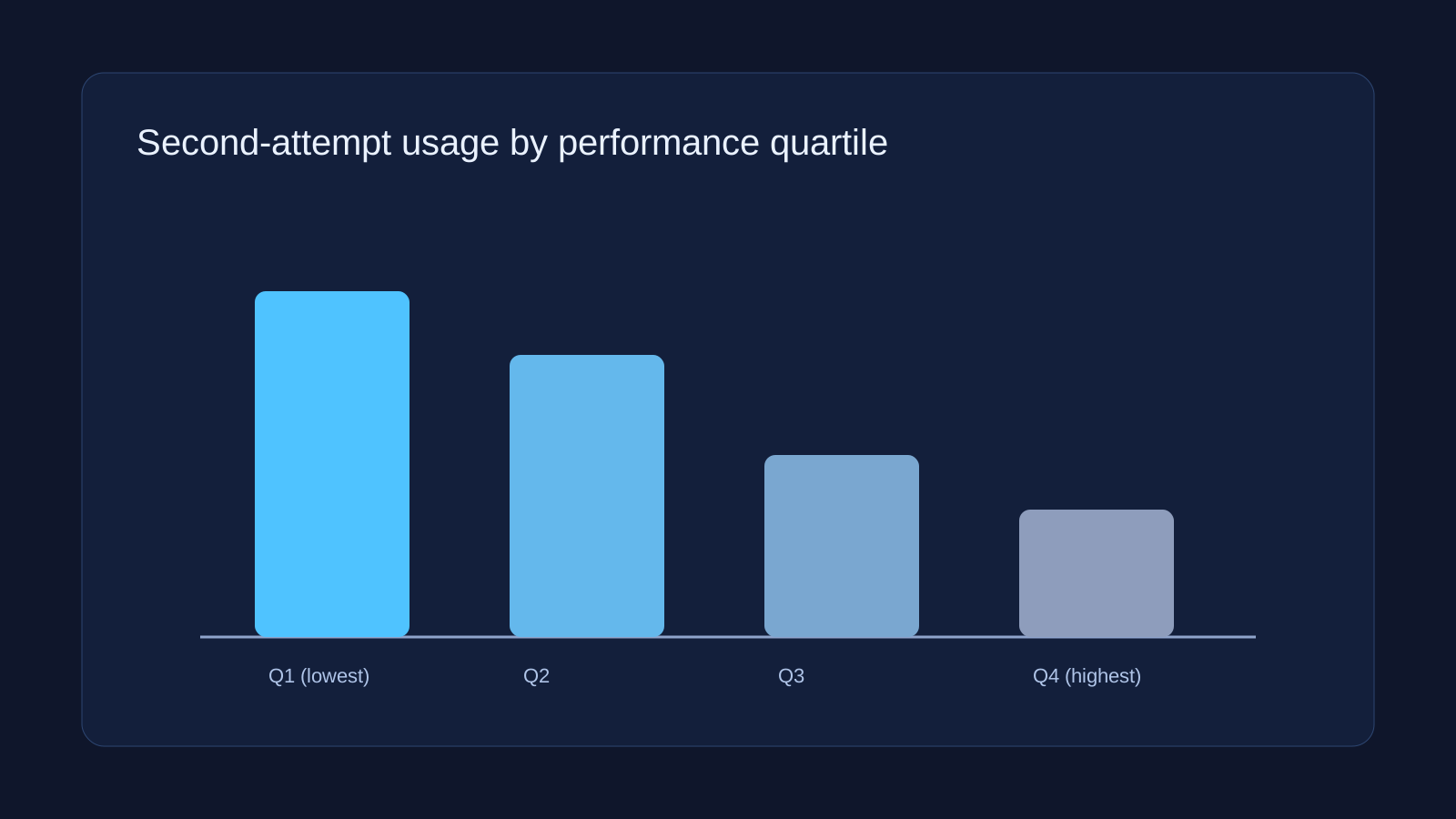
Students in lower quartiles used second attempts more frequently than higher-performing students. The intervention was naturally used by the population that needed it most.
**So what:** Access and usage patterns aligned with the intended support target.
What this project showed
Student outcomes are not fixed after an early poor performance. With structured review and meaningful retake opportunities, performance can improve substantially, especially for students who begin with lower confidence or weaker preparation.
Why it matters to me
This project shaped how I think about analytics: not as a tool for describing failure after the fact, but as a way to design better systems before people fall behind.
Links
- [Project brief](https://example.com/math-anxiety-case-study)